The area code 832 is a vital telecommunications identifier for the vast and dynamic Greater Houston area in Texas. It serves as a digital handshake, connecting a diverse community of millions and a bustling economy that resonates globally. This comprehensive guide will explore the cities and counties it serves, its integral relationship with other Houston area codes, and its time zone logistics. We will delve deep into the strategic advantages of obtaining a Houston phone number with this prefix, provide actionable advice on handling unknown calls, and equip you with the knowledge to recognize and combat common phone scams. Get ready to master Houston’s complex and opportunity-rich communication landscape.
Key Takeaways
- The 832 area code encompasses cities and counties across the Greater Houston metropolitan area, making it a strategic choice for businesses aiming to establish a strong local presence.
- This region operates within the Central Time Zone (CST/CDT), a critical detail for scheduling and national business operations.
- Acquiring a local number in this region offers significant benefits, including enhanced community trust, stronger brand recognition, and improved customer engagement rates.
What Is the 832 Area Code?
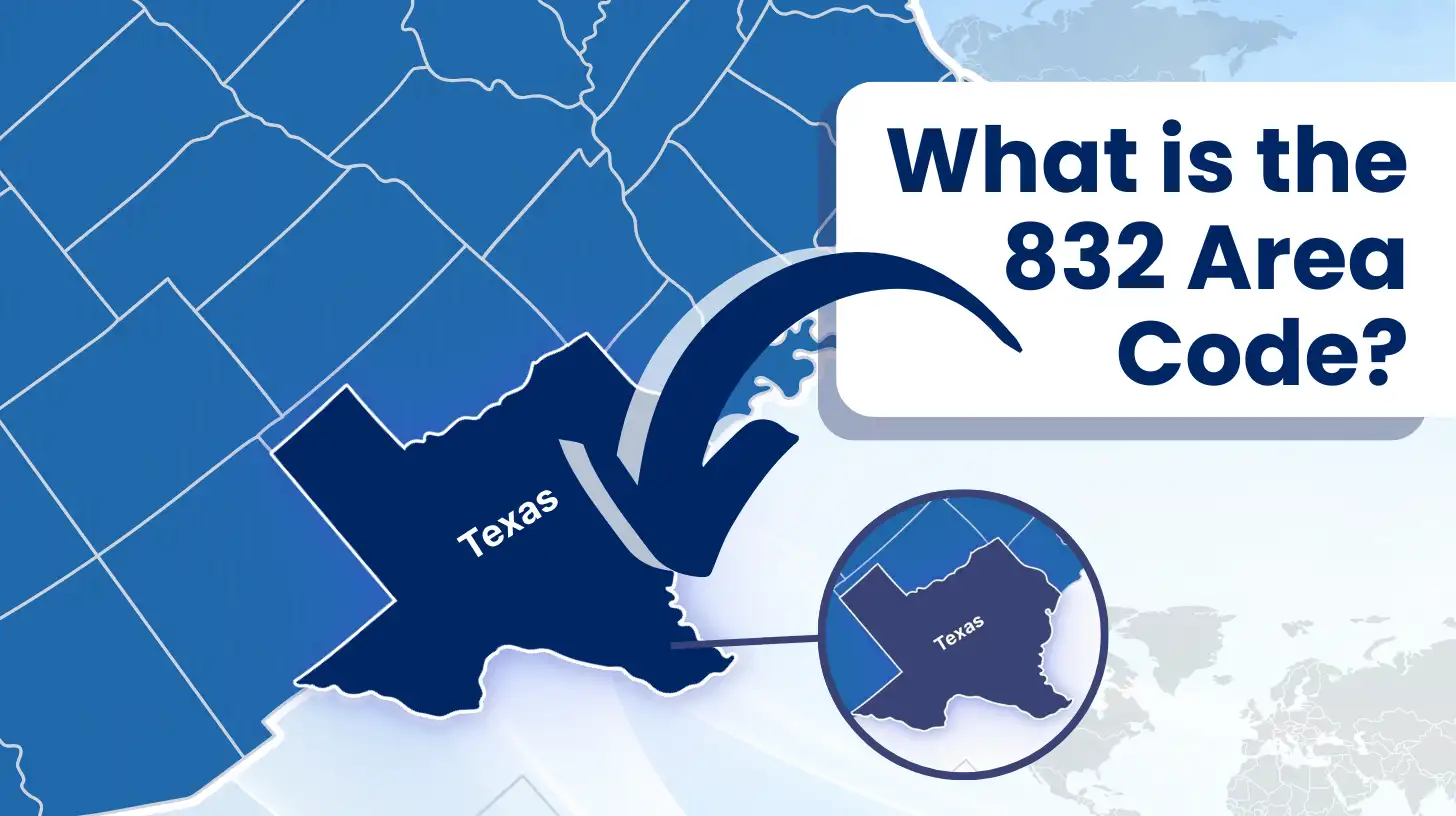
The area code 832 is a telephone prefix that serves the Greater Houston area, one of the most significant economic and cultural hubs in the United States. It was officially put into service on January 16, 1999, as an overlay to the existing 713 and 281 area codes. This overlay plan was a necessary solution devised by the North American Numbering Plan (NANP) to address the explosive growth in population and the corresponding demand for new phone lines from businesses, mobile devices, and fax machines. Unlike a geographic split, an overlay allows a new area code to serve the same territory as existing ones.
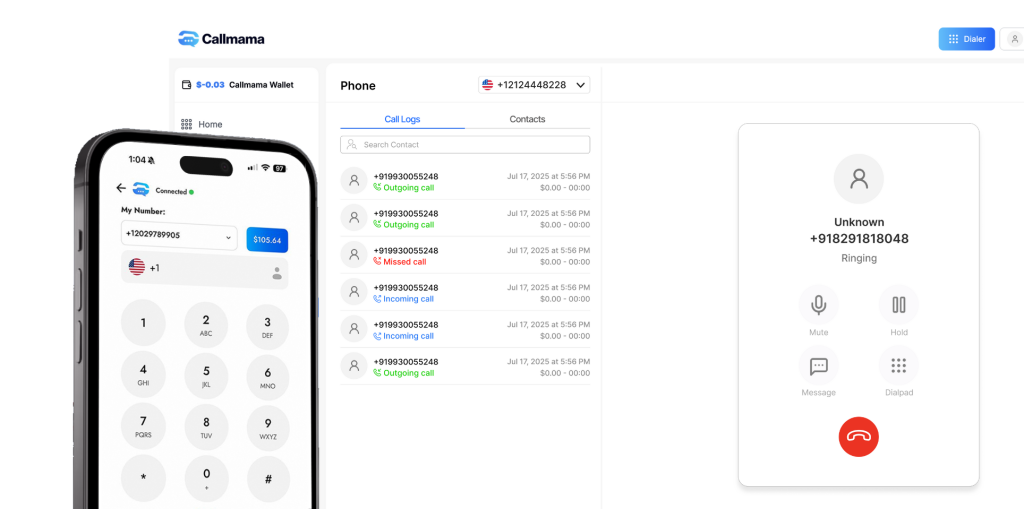
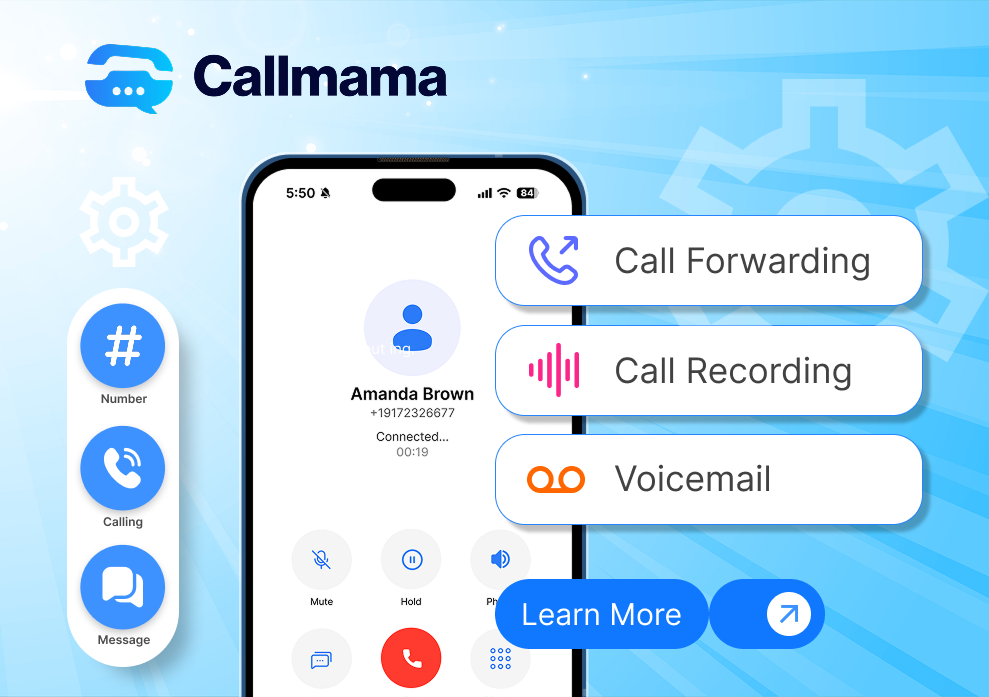
For modern companies, securing a local identity is a cornerstone of market penetration and customer trust. In a city as relationship-driven as Houston, having a local number is not just a logistical detail—it’s a statement of commitment. Businesses leveraging Callmama‘s wholesale VoIP services can seamlessly obtain a virtual phone number with this prefix. This allows companies anywhere in the world to instantly establish a professional, local presence, connecting them directly to the vibrant Houston market and enhancing customer engagement from the very first call.
What Cities and Counties Are Included in the 832 Area Code?
This prefix covers an extensive and diverse range of cities and counties. It is not just limited to the city of Houston proper but extends to its sprawling suburbs and surrounding communities, which are major economic hubs in their own right. The geography under the 832 is a tapestry of industry, culture, and community, all essential to local and regional prosperity.
- Houston: As the fourth-largest city in the U.S., Houston is a global powerhouse for the energy industry (specifically oil and gas), aerospace with NASA’s Johnson Space Center, and a world-class medical center. It is home to numerous Fortune 500 headquarters and a thriving international business community.
- Sugar Land: Located in Fort Bend County, Sugar Land is known for its affluent, highly-educated population and master-planned communities. Once the site of the Imperial Sugar main refinery, it has evolved into a major hub for technology, software, and engineering firms, consistently ranking as one of the best places to live in the country.
- Pasadena: Situated southeast of Houston, Pasadena has deep roots in the petrochemical industry, with a large concentration of plants and refineries along the Houston Ship Channel. This strong manufacturing base provides a crucial industrial backbone to the regional economy and a skilled blue-collar workforce.
- The Woodlands: This master-planned community in Montgomery County is a major corporate center, attracting headquarters for companies like Chevron Phillips Chemical, Huntsman Corporation, and McKesson. It offers a unique blend of urban amenities and a picturesque, forested environment, making it a prime location for businesses in healthcare, finance, and professional services.
What Other Area Codes Overlap with 832?
The area code 832 operates within a sophisticated overlay plan alongside two other key Texas area codes: 713 and 281. This system means all three prefixes serve the exact same geographic territory, and a neighbor could have a 713 number while you have an 832 number.
As the population swelled, the 281 area code was introduced in 1996 to serve the eastern part of the Greater Houston area while also covering surrounding regions. Over time, the growing demand for phone lines led to the addition of the 832 area code in 1999 as an overlay, facilitating the distribution of new numbers without requiring an area code change for existing customers.
The original 713 code was one of the first established in Texas in 1947. As Houston’s population swelled post-WWII, demand outstripped the 713 capacity. In 1996, the region was split, with 281 assigned to the suburbs. However, growth continued at such a rapid pace that just three years later, the overlay plan was implemented, adding 832 and removing the geographical boundary between 713 and 281. This required the adoption of ten-digit dialing for all local calls, a practice now standard in most major U.S. cities.
What Time Zone Is the 832 Area Code In?
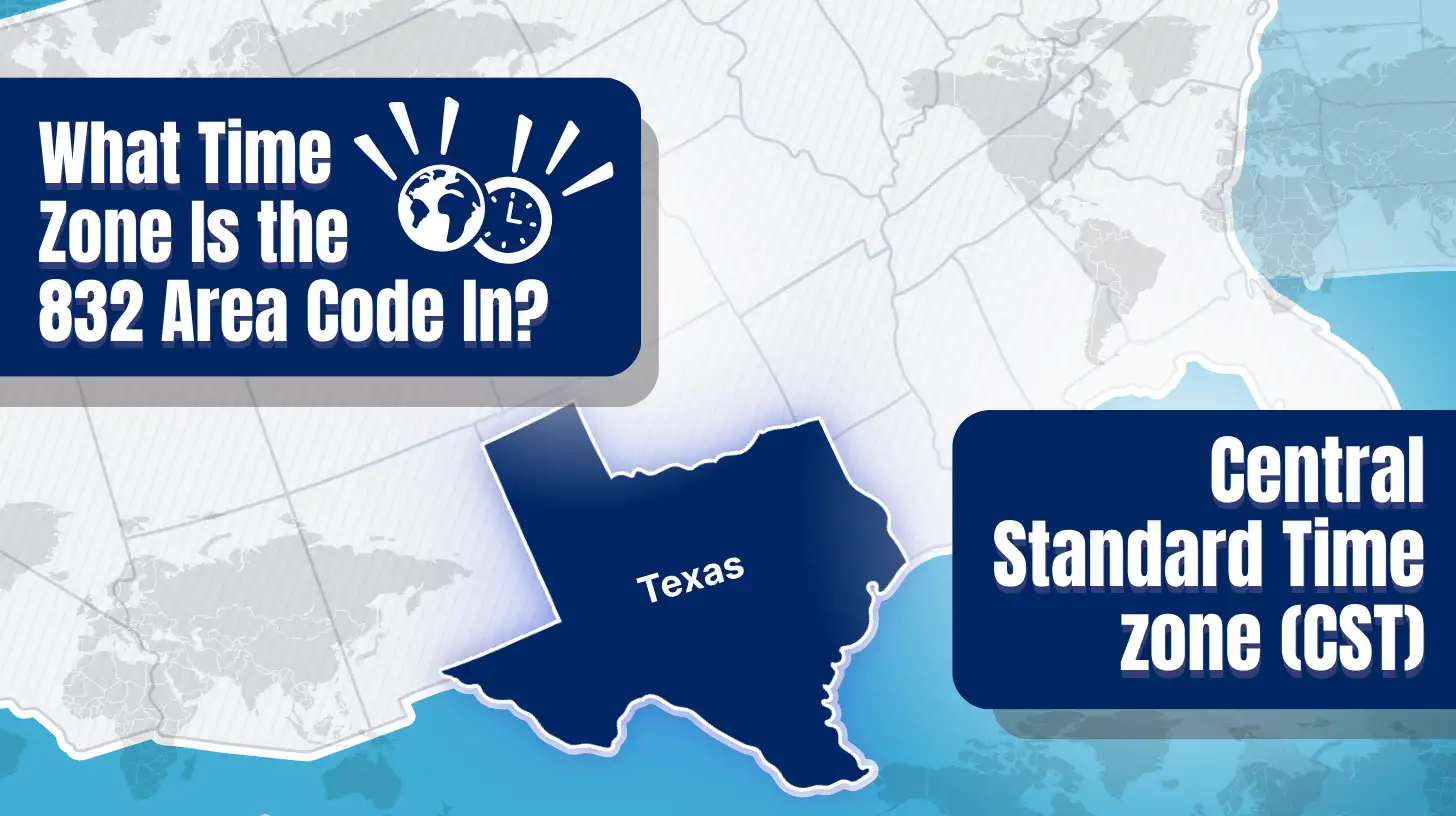
The entire region covered by the 832 is located in the Central Time Zone (CST). During the spring and summer months, it observes Daylight Saving Time, shifting to Central Daylight Time (CDT). This alignment with other major Midwest cities like Chicago and Dallas is crucial for national business operations, allowing for streamlined scheduling of meetings, logistics coordination, and customer service availability across multiple time zones.
What Is the Current Time in the 832 Area Code?
Currently, the time in the 832 area code reflects the Central Standard Time, which is crucial for businesses and residents alike as it dictates daily activities and interactions within the Greater Houston area.
This particular time zone significantly influences a variety of business operations and customer interactions, as it shapes everything from appointment scheduling to service availability. In the local economy, this central timing ensures that companies can efficiently coordinate with suppliers and customers, creating a smoother flow of communication and service delivery.
Effective time management is essential for enhancing productivity and optimizing workflows. Companies operating in this region must take into account:
- Peak hours for customer engagement
- Delivery schedules for timely responses
- Collaborations with regional partners
Understanding the local tempo allows organizations to adapt swiftly, ensuring they meet the demands of their clientele while maintaining strong relationships in the process.
What Are the Benefits of Having an 832 Area Code?
Obtaining a local phone number in this market provides a host of strategic benefits, particularly for a local business aiming to build deep customer trust and seamlessly integrate with modern, flexible telecommunications solutions.

Local Presence in the Greater Houston Area
Establishing a tangible local presence is paramount for connecting with the Houston community. A Houston phone number with a familiar prefix fosters immediate trust and lowers the barrier for potential customers to engage. Psychologically, consumers are more inclined to trust and support businesses they perceive as local, believing it leads to better accountability, customer service, and a contribution to the local economy.
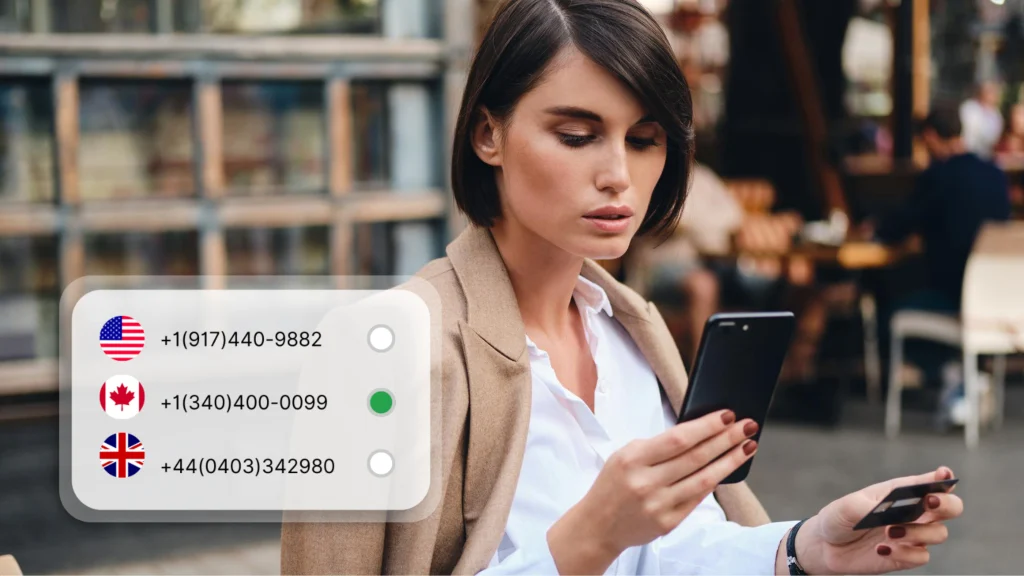
For companies not physically located in Houston, Callmama offers powerful VoIP services that provide a virtual phone number. This innovative solution creates an instant, authentic local presence that resonates with residents, leveling the playing field and allowing businesses anywhere to compete effectively in the Houston market.
Easy to Remember and Dial
While ten-digit dialing is mandatory, a local number is still inherently simpler for customers to remember and recognize. This is highly beneficial for marketing and customer outreach efforts across various channels, from radio ads to vehicle wraps. This simplicity enhances direct communication, strengthens brand recognition, and makes your business more accessible. Businesses can even pair an 832 number with a memorable “vanity” sequence of digits (e.g., 832-555-ROOF) to create a powerful marketing asset.
Widely Recognized and Trusted
The area code 832 is instantly recognized and trusted by millions of Houston-area residents. This immediate credibility dramatically enhances a business’s reputation. Customers are statistically more likely to answer a call from a local number than an out-of-state or toll-free number, which are often associated with spam or telemarketing. For businesses that rely on outbound calls for sales or customer support, this higher answer rate directly translates to improved efficiency and better business outcomes. This trust is the foundation of strong customer relationships and can be a pivotal factor in driving long-term success.
How Can You Lookup a Phone Number in the 832 Area Code?
You can look up an unknown phone number using various online reverse phone lookup services. These tools are invaluable for enhancing your telecommunications security, providing the information needed to verify legitimate calls and avoid the increasing number of potential phone scams.

What Information Can You Find Through a Phone Lookup Service?
A quality reverse phone lookup can provide a wealth of information associated with a number from the 832, including:
- Owner’s Name: The full name of the individual or business registered to the number, if it’s publicly available.
- General Location: The city and state associated with the number, confirming if it is genuinely local.
- Telecommunication Carrier: The service provider (e.g., AT&T, Verizon, or a VoIP provider) that owns the number.
- User Reviews and Spam Flags: Crowdsourced comments from other users who may have received calls from the number, often flagging it as spam, a scam, or legitimate business.
How Can You Use Phone Lookup to Verify Calls and Avoid Scams?
Using a phone lookup service is a critical proactive step in an era of widespread caller ID spoofing. By taking a moment to identify who is behind an incoming call before answering or calling back, you can effectively screen for fraudulent activities. For businesses, it’s wise to establish a policy for handling unknown numbers and train staff to use these tools. This simple verification process helps you avoid common phone scams, protecting your personal financial information and your business’s sensitive data.
What Are the Potential Scams Associated with the 832 Area Code?
Unfortunately, the trusted and recognizable nature of the makes it a target for various phone scams. Scammers exploit this local trust to deceive residents. Being aware of these schemes and using secure, enterprise-grade telecommunications solutions from providers like Callmama can help protect you.

‘One Ring’ Scam
This scam involves a call, often from an international number spoofed to look local, that rings only once and then disconnects. The scammer’s goal is to pique your curiosity and get you to call back. If you do, you are connected to a premium-rate number, similar to a 1-900 number, which incurs exorbitant per-minute charges that appear on your phone bill.
‘Can You Hear Me?’ Scam
A scammer calls and immediately asks a simple question like, “Can you hear me?” or “Is this [your name]?” Their goal is to get you to say the word “yes.” They record your affirmative response and can then use this voice signature to authorize fraudulent charges on your credit cards or utility bills by claiming you consented to them.
‘Neighbor Spoofing’ Scam
This is a highly effective scam where fraudsters use technology to manipulate their caller ID. They make it appear as if the call is coming from a number very similar to your own—often with the same area code and first three digits. This “neighbor” number tricks you into thinking the call is from a local individual or business, dramatically increasing the likelihood that you will answer.
‘IRS’ Scam
In this fear-based scam, fraudsters impersonate IRS agents. They call and threaten legal action, arrest, or even deportation unless you make an immediate payment for fictitious back taxes. They demand payment via unconventional methods like gift cards or wire transfers. The use of a local 832 area code on the caller ID makes the threat feel more credible and urgent. Remember, the real IRS initiates almost all contact via U.S. mail, not threatening phone calls.
‘Tech Support’ Scam
In this common scam, callers pose as tech support representatives from a major company like Microsoft, Apple, or your internet service provider. They claim they’ve detected a virus or critical error on your computer. Their goal is to trick you into giving them remote access to your device, at which point they can steal personal information or install malware. They may also demand payment to “fix” the non-existent problem.
Conclusion
Navigating the telecommunications landscape of the 832 area code offers businesses a significant competitive advantage in one of America’s largest and most dynamic markets. From establishing a trusted local presence that resonates with the community to ensuring effective and secure business communication, a local Houston number is a powerful strategic asset. However, it is vital to remain educated and vigilant against potential phone scams that target this area. By leveraging reliable and secure VoIP services from Callmama and practicing safe phone habits, you can confidently protect yourself from fraud and make the most of your telecommunications opportunities in the Greater Houston area.






 United States
 United Kingdom
 Canada
 Australia
 India
India Germany
 France
 Italy
Italy Spain
Spain Japan
Japan South Africa
 Brazil
 212 (New York)